
Empathy is a fundamental skill that allows individuals to understand and relate to the experiences of others. It involves communicating and connecting with people in a way that demonstrates care and mutual understanding. Developing empathy is crucial for children as it helps them form strong and meaningful relationships throughout their lives.
The ability to see things from another person’s perspective is a central aspect of empathy and plays a significant role in resolving conflicts. When faced with disagreements, individuals often focus on their own grievances, leading to escalation. However, approaching the situation with empathy can shift the dynamics by showing compassion towards the other person. Empathy is linked to reduced aggressive behaviors and can help prevent conflicts by fostering understanding of different needs and viewpoints, ultimately leading to mutually beneficial resolutions. By actively listening and expressing empathy, individuals can diffuse tension and promote cooperation, strengthening trust and closeness in relationships.
While empathy is sometimes viewed as an innate trait, it can also be taught, particularly during childhood. Parents and caregivers play a crucial role in cultivating empathy in children by modeling empathetic behaviors and providing direct instruction. Encouraging children to listen to others, consider different perspectives, and imagine how others may feel can enhance their empathetic skills. By demonstrating warmth, care, and empathy in their interactions, parents can positively influence their children’s ability to empathize with others.
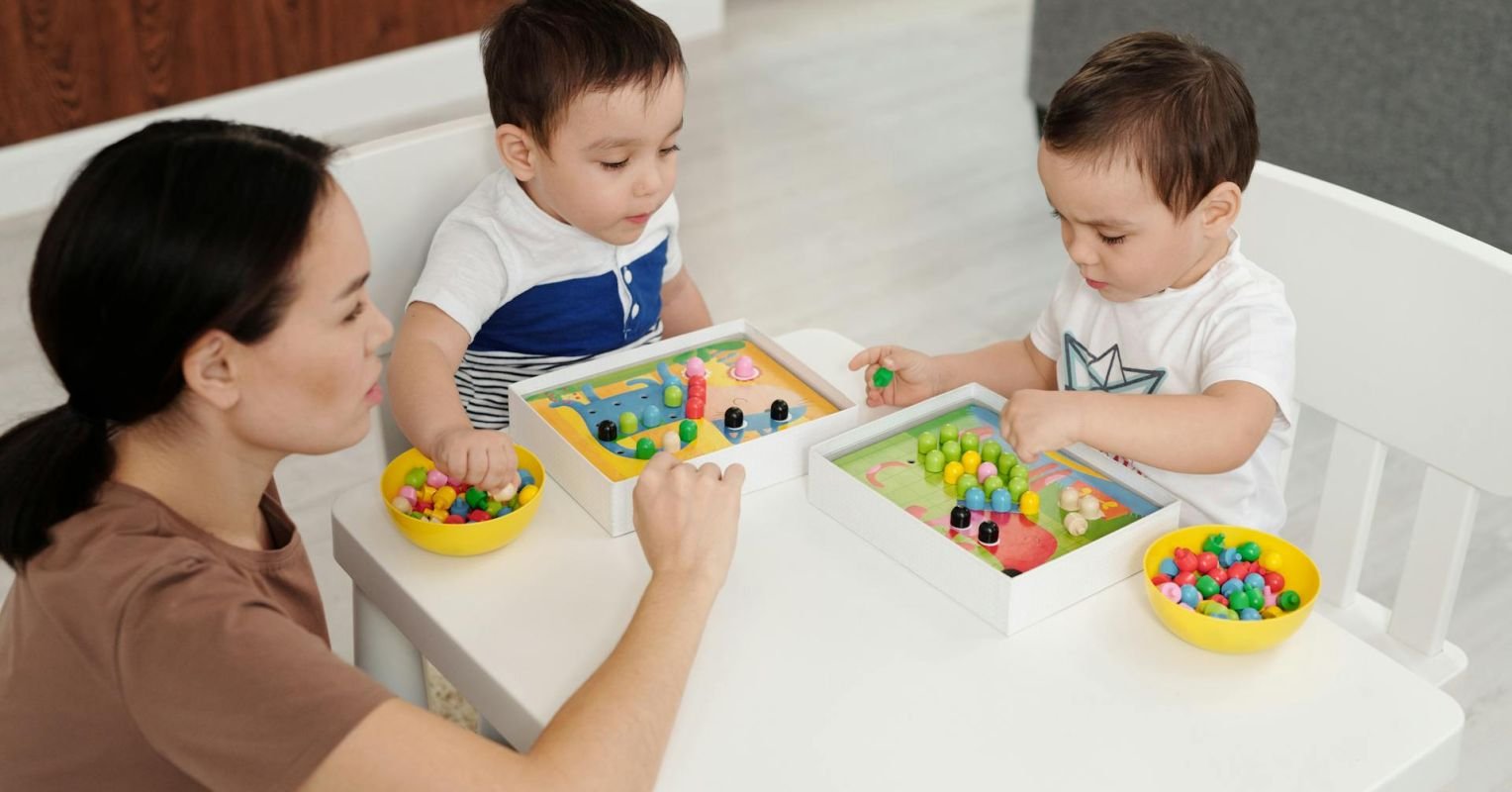
The sibling relationship offers a unique opportunity for children to practice empathy skills. Spending time with siblings allows them to learn about each other’s emotions and experiences, fostering perspective-taking and prosocial behaviors like sharing and appreciation. Older siblings can play a significant role in promoting empathy in younger siblings through mentorship and positive influence. Studies show that warmer and less conflictual sibling relationships contribute to children’s social and emotional development, creating a more harmonious family environment.
In addition to parental guidance, children can further enhance their empathy skills by recognizing and acknowledging their own and others’ feelings, engaging in acts of kindness, collaborating with siblings and friends, and practicing empathy during conflicts. These activities can be integrated into daily routines, shared activities with siblings, and social interactions to reinforce empathetic behaviors and foster meaningful connections with others.
By prioritizing empathy development in children and providing opportunities for practice and reinforcement, parents and caregivers can help nurture compassionate and understanding individuals who are capable of building strong and harmonious relationships in the future.