
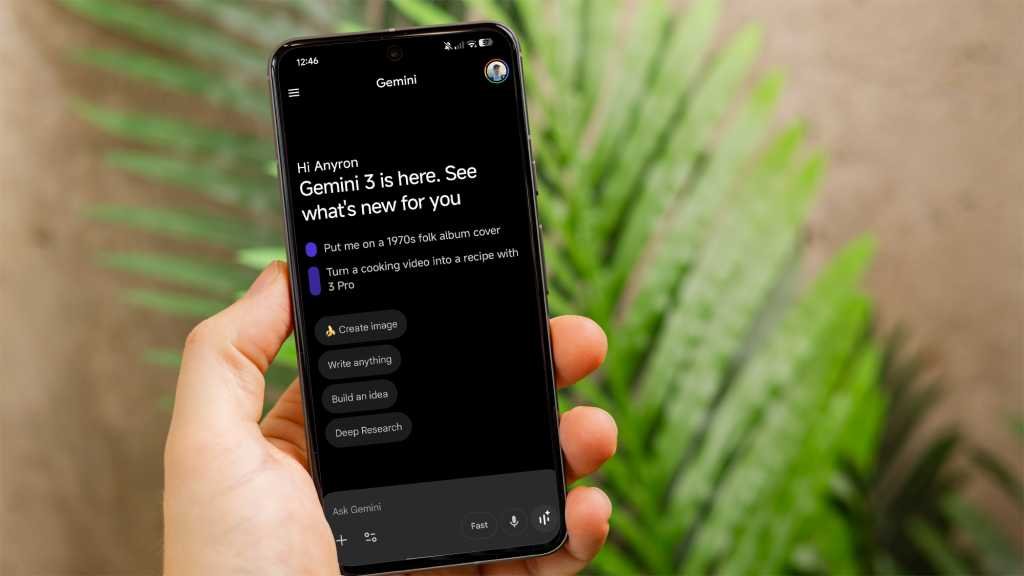
In today’s tech-savvy world, the integration of AI technology has become ubiquitous across various platforms and devices. While AI undoubtedly offers convenience and efficiency, it has become the focal point of many new product launches, overshadowing the importance of essential hardware upgrades.
Fast charging technology is a prime example of a hardware feature that significantly impacts daily use. Contrary to the misconception that fast charging degrades battery life, advancements in Battery Management Systems have made it possible to implement rapid charging without compromising battery health. Brands like OnePlus and Xiaomi have pushed the boundaries with their high-speed charging capabilities, setting new standards for the industry.
Moreover, the size of the battery has become a critical factor in determining a device’s longevity. Phones like the Oppo Find X9 Pro and Xiaomi 17 Pro Max boast impressive 7,500 mAh batteries, offering extended usage time that surpasses traditional flagship models. With advancements in battery technology, manufacturers can now incorporate larger batteries without compromising the device’s form factor, challenging industry giants to prioritize battery longevity.
Another area of improvement lies in the seamless integration between smartphones and PCs. While Apple has excelled in creating a cohesive ecosystem between its devices, the Android and Windows integration remains fragmented. Samsung’s DeX and Microsoft’s Phone Link have made strides in bridging the gap, but universal standards for cross-device communication are still lacking, hindering a seamless user experience.
Furthermore, the quality of haptic feedback in smartphones plays a crucial role in enhancing user interaction. Many Android devices struggle to deliver precise and tactile feedback due to inferior vibration motors. Improving haptic technology can elevate the user experience, making interactions feel more responsive and refined, ultimately adding a sense of quality to the device.
In conclusion, while AI features have their place in enhancing functionality, it is essential for manufacturers to prioritize practical hardware upgrades that directly impact daily usability. Fast charging, larger batteries, seamless device integration, and improved haptic feedback are crucial elements that contribute to a better user experience. By focusing on these foundational aspects, manufacturers can create devices that not only boast advanced technology but also cater to the fundamental needs of users in their day-to-day lives.